
 View menu
About VNK's
VNK's is committed to delivering high-quality products that meet the stringent demands of customers and the market, ensuring we uphold our initial promises.






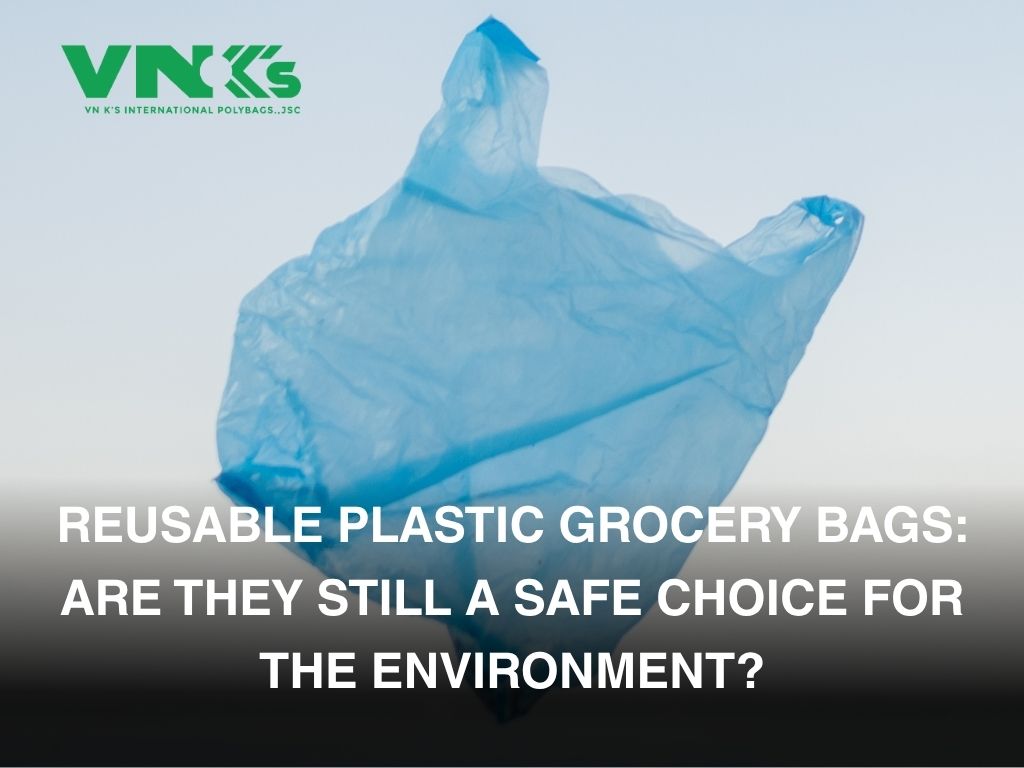




In recent years, the conversation around plastic packaging has shifted significantly, especially in developed markets. Single-use plastic bags—once widely preferred for their low cost—are gradually being phased out as many European countries introduce restrictions or charges.
These regulations have accelerated the transition toward reusable plastic bags. However, the debate is still ongoing: are they truly a more sustainable solution, or just a different way of managing the same issue?
For traders and importers, this is not only an environmental topic. It directly affects product positioning, compliance strategy, and the ability to meet evolving international market expectations.
In Europe, policies such as plastic bag levies and bans on lightweight bags have significantly reduced single-use consumption. As a result, the market is moving toward thicker, more durable bags that are designed for multiple uses.
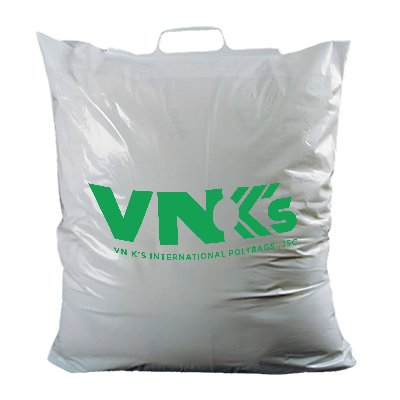
Compared to traditional thin bags (typically under 50 microns), reusable plastic grocery bags are produced with greater thickness, using materials such as HDPE or LDPE. This allows them to be reused multiple times, reducing the overall number of bags needed.

Greater thickness with thicker plastic bag film
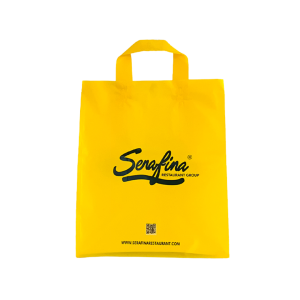
At the same time, the role of the bag is evolving. It is no longer just a carrier, reusable bags are increasingly part of the brand experience, with higher expectations for design, printing, and finishing quality. Many retailers are also choosing customized plastic bags with handles to improve customer experience while supporting repeated use.
See more: Plastic bag trend in Europe 2026: How are reusable plastic bags leading the shift?
The sustainability of reusable plastic bags depends largely on how they are actually used.
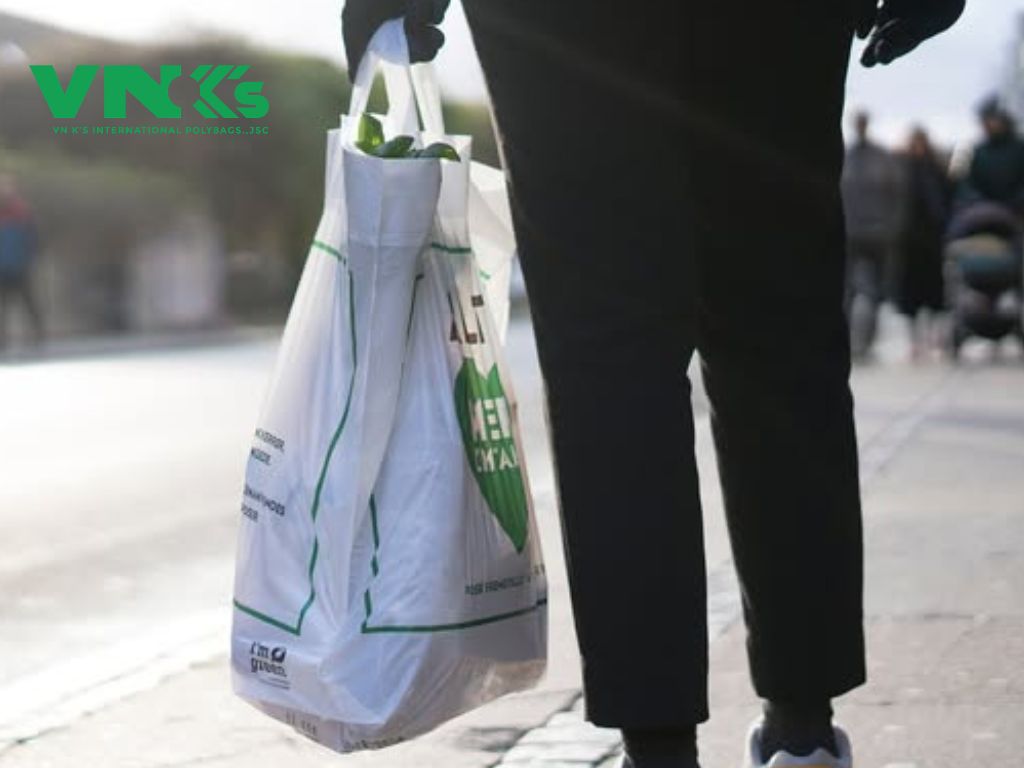
Already in 2020, Denmark reached the EU’s target of consuming less than 40 plastic carrier bags per citizen per year
The biggest advantage of reusable bags is their ability to replace multiple single-use bags. Even being reused 5–10 times can significantly reduce the total amount of plastic waste. This means fewer bags entering landfills and less demand for new raw materials.
Although reusable bags require more material during production, their longer lifespan spreads the environmental cost across multiple uses.
When used properly, the environmental impact per use becomes lower than that of single-use bags.
Thin plastic bags often cause problems in recycling systems because they can get stuck in machinery. In contrast, thicker bags are easier to collect and process. This makes reusable plastic bags a more practical option in markets with established waste management infrastructure.
Looking at recent regulations, it is easy to assume that plastic bags will eventually disappear. In reality, that is not the case. The market is not being eliminated, it is becoming more selective, prioritizing products with higher durability and real usage value.
In Europe, the approach is quite practical: authorities focus on controlling and reducing usage rather than imposing a complete ban. This is because plastic bags still solve very real problems in retail operations—especially in terms of cost, packaging efficiency, and logistics, particularly in the food sector.
Another key reason is that there is currently no alternative material that can simultaneously match plastic in terms of cost efficiency, durability, and scalability.
At the same time, recycling systems in Europe are already designed to handle a portion of plastic waste. As a result, the current direction is to reduce low-efficiency products (such as single-use thin bags) while optimizing products that can be reused.
In other words, plastic bags are not disappearing—the standard for them is simply evolving. However, for reusable bags to deliver real value, two key factors matter most: how they are used and how well they are made.
If a bag is only used once or twice before being discarded, it offers little environmental benefit. The real value comes from repeated use. That means the bag must be durable enough, thick enough, and even visually appealing enough for consumers to keep using it. Only then does the product truly make sense.
For traders, this highlights the importance of working with manufacturers who have strong quality control and experience with export markets.
Today, many products are labeled as “eco-friendly,” but not all of them meet real standards.mUnderstanding the differences between reusable, recyclable, and biodegradable materials is essential. This helps traders provide accurate information and avoid misleading their customers.
Reusable plastic bags are not a perfect solution, but they remain a practical and widely accepted one in today’s market. When produced with the right specifications and used multiple times, they can reduce overall plastic consumption while still meeting commercial needs. For export-oriented businesses, understanding this shift is key to making better product and sourcing decisions. Working with an experienced plastic bag manufacturer in Vietnam can also help ensure product quality, compliance, and long-term competitiveness in international markets. As sustainability standards continue to evolve, reusable plastic bags will remain an important part of the packaging landscape.

The optimal solution for your order at the most competitive price.