
 View menu
About VNK's
VNK's is committed to delivering high-quality products that meet the stringent demands of customers and the market, ensuring we uphold our initial promises.






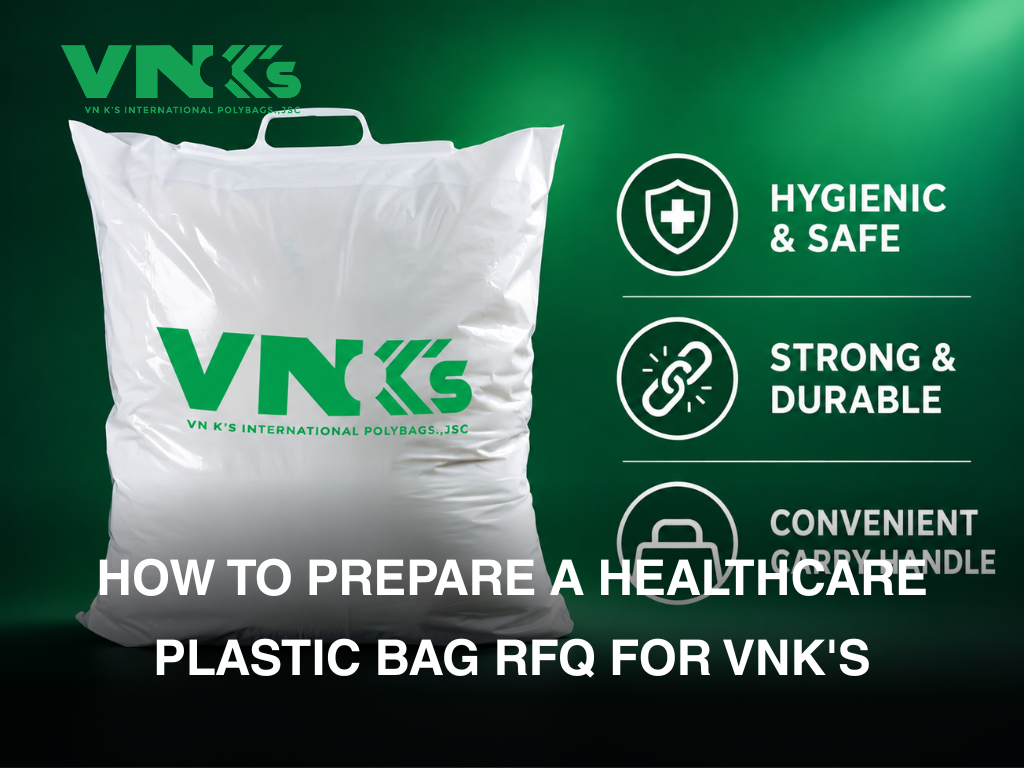




A quotation request for “medical bags, size as per sample, quantity 50,000 pieces” may still leave the manufacturer with questions. Is the buyer asking for patient belongings bags, emesis bags or commode liners? Which features must remain unchanged, and which should be modified?
For importers and distributors, a clear RFQ does not require every technical detail to be finalised before making contact. The priority is to identify the product, share the information available and flag the points that need clarification with VNK’s. This guide explains how to organise requirements by product type rather than applying one description to an entire healthcare bag range.
Start with a specific product name and describe how the customer intends to use it. “Patient belongings bag” provides different context from “container liner” or “emesis bag with a plastic ring.”
Next, identify the destination market and any customer-specific requirements. If the project calls for particular documents, markings or evaluation criteria, attach them at the outset so the scope can be discussed. Do not assume that every bag described as a healthcare product has the same requirements.
For enquiries covering several products, assign a separate reference code to each bag type. Use that code consistently in the specification table, photographs, artwork and file names to avoid mixing up details between samples.
Share what you already know in the six areas below. Mark unclear fields as “to be confirmed” or “advice requested” rather than inserting an assumed value.
| Information | How to present it in the RFQ |
|---|---|
| Dimensions | State units and measurement order; label width, length and any gusset on an image |
| Thickness | Give the value and unit if known; clarify that it refers to a single layer of film |
| Material | State the customer’s specified material or mark it as not yet determined |
| Printing | Describe the content, colour count and printed sides; attach artwork or reference images |
| Packing | Specify bags per pack, box or carton and the preferred arrangement |
| Quantity | List quantities by product code, the unit of order and any quantity options to quote |
Distinguish individual bags from packs or kits. If the requirement is for a kit with several components, list its contents rather than giving only a total number of “products.”
If the dimensions on a sample differ from those in the specification, identify which should take priority. The manufacturer should not have to guess whether you want to reproduce the existing sample or develop a revised version.
For patient belongings bags with rigid handles or cotton-string versions, show the handle or string arrangement and closure clearly.
If the customer wants to retain a particular snap closure or handle shape, provide close-up photographs and mark the feature “retain as per sample.” For identification printing, supply the required content and placement. Do not assume that every logo, name field or line of text on the reference sample should be reproduced.

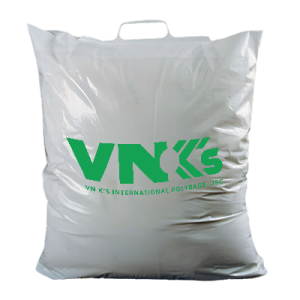
Hospital patient belongings bags
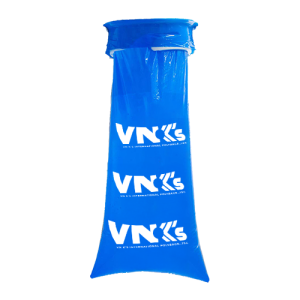
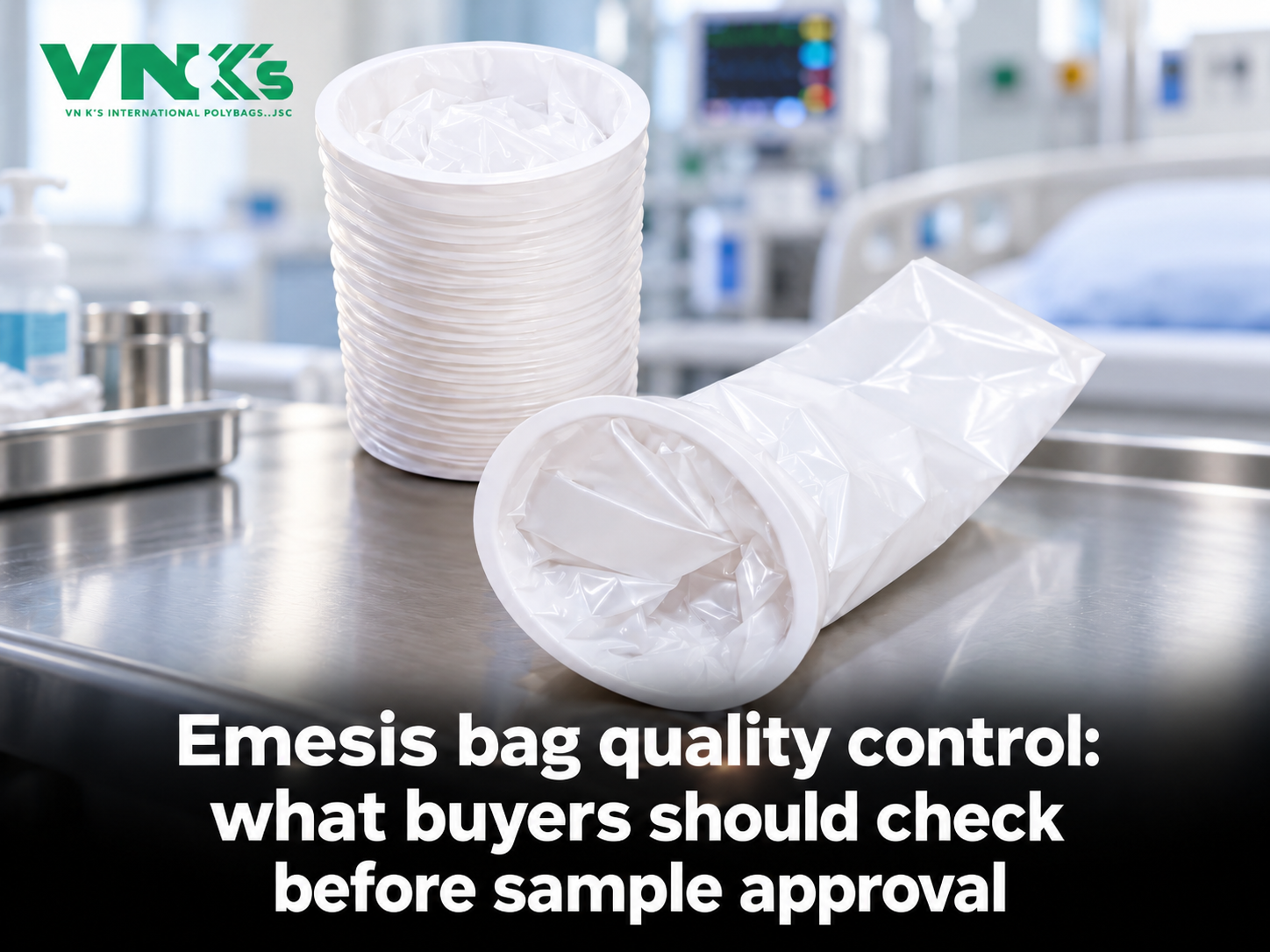
For emesis bags, provide a full-bag photograph and clear images of the plastic ring. List any known ring dimensions or construction requirements separately.
Separate the required capacity from the range of printed graduations. If the only information available is on the sample’s packaging, send a photograph of the label and flag it for clarification. Attach any existing customer requirements for sample evaluation or quality rather than inventing additional technical thresholds.

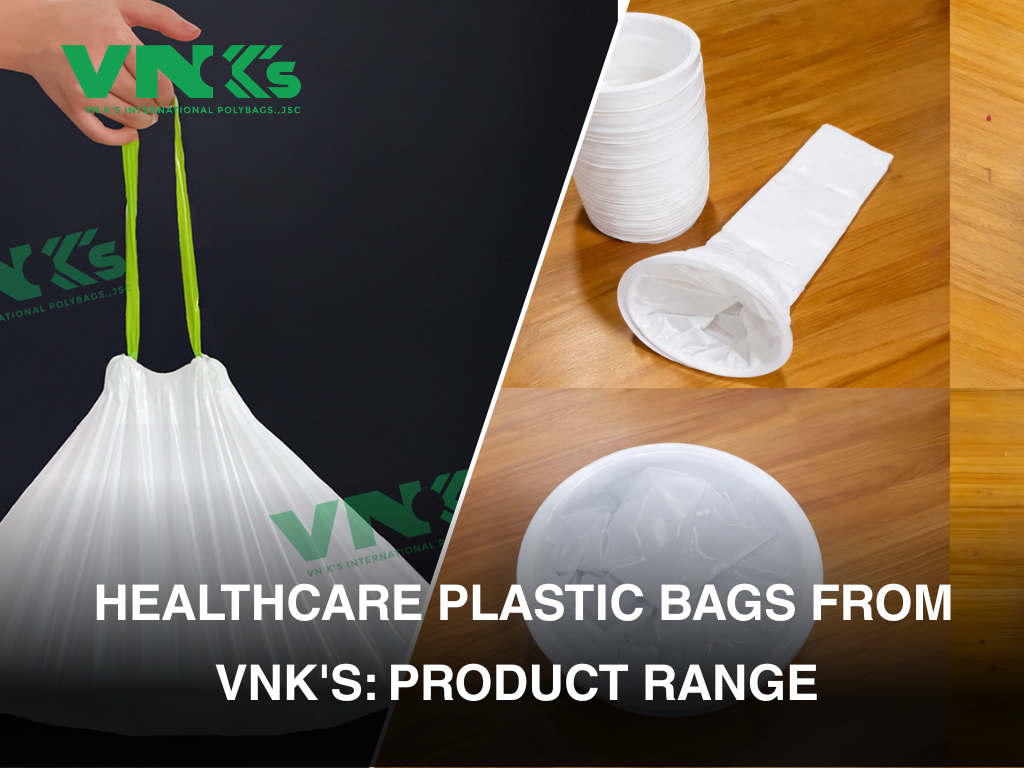
For commode liners, provide bag dimensions and information about the container they need to fit, where available. Photographs showing the open mouth and drawstring details are more informative than a folded-bag image alone.
Clarify whether the RFQ covers the liner only or a kit with an absorbent component. If additional components are required, describe them separately so the scope of supply can be confirmed. Do not assume they are included in the bag’s unit price.

You can begin with photographs, a physical sample or existing product documentation. Useful photographs show the complete bag, front and back, opening, handles or drawstrings, seals and any printing that needs to be referenced.
Mark the features to retain and the changes required. For example: “keep the opening construction from sample A; replace the printing with file B.” Identify the current artwork revision to avoid using an outdated design.
Photographs communicate initial requirements but do not establish every detail of material, thickness or performance. When sending physical samples, label them so each can be matched to the correct RFQ item.
VNK’s is a plastic bag manufacturer in Vietnam supporting OEM and custom manufacturing. Its sales team can review the basic information, identify missing details and flag points requiring confirmation before production.
You do not need to wait until every specification is complete before making contact. If the material or construction is not yet defined, reference images or a physical sample can provide a starting point. However, submitting an RFQ does not mean the configuration is ready for production; open points still need to be confirmed.
Send your healthcare plastic bag RFQ to VNK’s with your product list and available reference materials. Separating the requirements for each product helps both parties focus on the details that need clarification for your project.

The optimal solution for your order at the most competitive price.