
 View menu
About VNK's
VNK's is committed to delivering high-quality products that meet the stringent demands of customers and the market, ensuring we uphold our initial promises.








In the plastic packaging industry, selecting a reliable manufacturer is a critical factor in ensuring consistent product quality, cost efficiency, and long-term trust with your end customers. However, many buyers and traders still overlook the importance of asking the right questions to extract key information from suppliers. Below are 10 essential questions designed to help you evaluate a plastic bag supplier more effectively before moving forward.
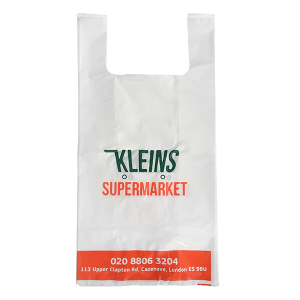
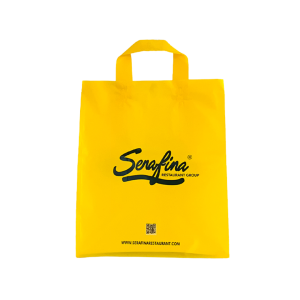
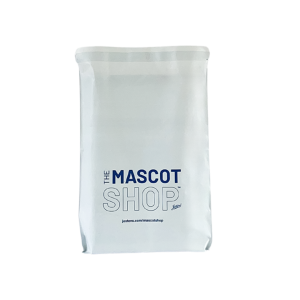
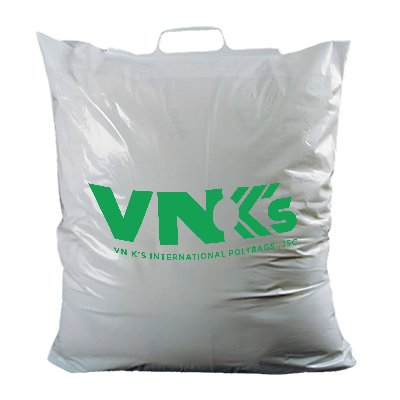
This question helps you assess the supplier’s product range and level of specialization. Not all factories fully update their websites with every product they can produce, so asking directly allows you to understand their true manufacturing capabilities. You may start by asking: “Do you manufacture T-shirt bags, zipper bags, drawstring bags, rope handle bags, or wicket bags? Which product lines are your strengths?” If direct communication is not immediately available, reviewing the supplier’s website or online catalog can also give you an initial overview before deeper discussions.
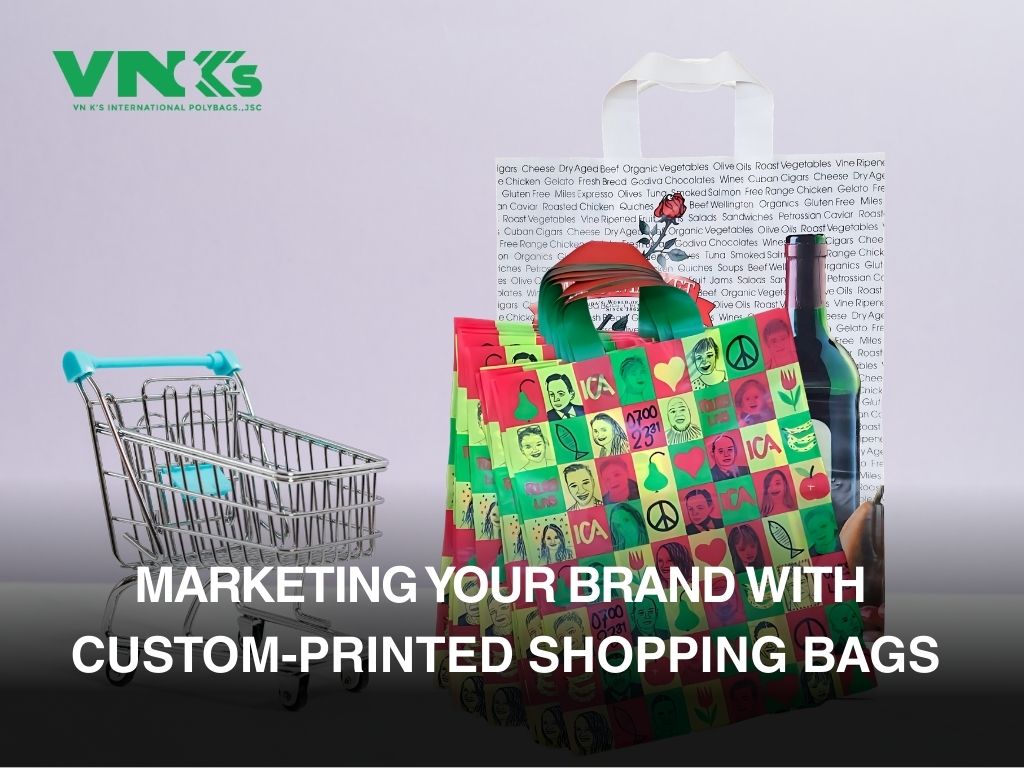
Printing quality plays a key role in brand visibility and market positioning. If your customers require sharp printing, multiple overlapping colors, or special finishing effects such as gloss coating, matte coating, or hot stamping, it is essential to clarify the supplier’s printing capabilities. Ask how many colors they can print (for example, up to 10–12 colors), whether double-sided printing is available, and which special techniques they support. This directly impacts how effectively your client’s brand message reaches the end consumer.
See more: Need custom printed plastic bags for your order? Here is what you need to know.
Most OEM manufacturers can customize material structures based on your requirements. If you already have a reference sample, you can send it to the factory for film structure analysis and specification confirmation. For businesses pursuing sustainable strategies, it is equally important to ask whether the supplier offers recycled PE, biodegradable materials, or bio-based films. You may also verify this information through their website or product documentation to prepare for a more focused discussion.
When testing a new design or handling a first-time order with uncertain demand, understanding MOQ requirements is crucial. Asking this question helps you determine whether the supplier can support trial orders or phased purchasing plans. Some factories are open to lower MOQs if there is a long-term cooperation plan or recurring order commitment.
Clear lead-time information allows you to manage project timelines and coordinate effectively with downstream clients. Ask about the time required for each stage—from artwork confirmation and cylinder preparation to printing, finishing, and shipment. It is also important to clarify whether lead times change during peak seasons, such as year-end or promotional periods, to avoid unexpected delays.
Requesting samples before placing large-volume orders is a practical way to verify printing accuracy, material strength, and overall finishing quality. This step helps minimize risks and prevents misunderstandings after contracts are signed. Some factories charge for sample production, while others do not—be sure to clarify this in advance.
Understanding cost structure is essential for margin planning. Ask whether the supplier can provide a detailed quotation breakdown, including tooling or cylinder fees, printing costs, packaging expenses, logistics, and any potential additional charges. Transparent pricing also allows you to compare offers between factories more effectively.
Consistent quality is critical when supplying multiple clients. Ask how quality is monitored throughout production and before shipment. If you or your end customers have specific QC standards or inspection protocols, discuss these early so both sides can align expectations and agree on a suitable quality control approach from the start.
Production defects cannot be completely eliminated, so it is important to understand how a supplier manages such situations. Clarify their process for handling issues such as incorrect printing, color deviations, size discrepancies, or packaging damage. A professional supplier should offer clear response timelines and transparent solutions, such as re-production, compensation, or refunds according to prior agreements.
Many traders assume that factories must hold a full set of international certifications, but in reality, certification requirements vary by market and product category. Identify which market the goods are destined for and what regulatory requirements apply. Then confirm which certifications the supplier already holds—such as ISO, BSCI, GRS, or FDA—and whether additional certifications can be obtained if necessary. This flexible approach helps you avoid overlooking capable manufacturers due to unnecessary certification assumptions.
Choosing a plastic bag supplier is not simply about finding the lowest price—it is about selecting a partner capable of supporting your business in the long term. Use these 10 questions as a practical framework to evaluate potential manufacturers and reduce sourcing risks, especially if you are a trader or supplier serving multiple clients.

Contact VNK’s to receive a fast quotation and professional consultation tailored to your specific product and market requirements.

The optimal solution for your order at the most competitive price.